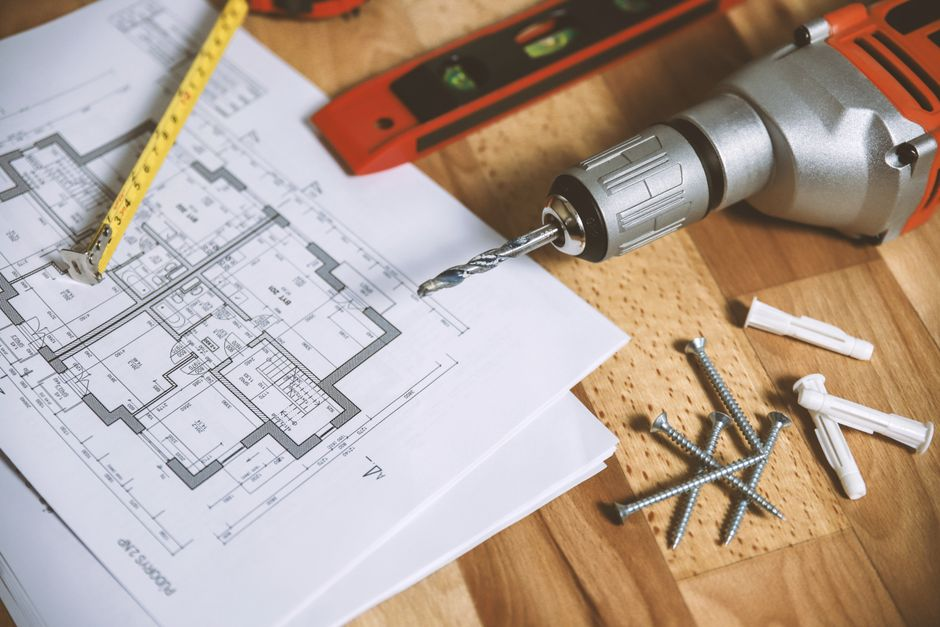
A family decides to be careful. Kitchen this year, bathrooms next year, flooring after that. On the surface, it sounds disciplined and responsible, especially in Encino where remodeling costs are real and daily life cannot just stop. But we have seen that same plan create a bigger problem than the one it was meant to solve: dust returning more than once, crews setting up and tearing down more than once, permits and inspections repeating, and a house that stays half-finished far longer than anyone expected.
That is why we encourage homeowners to slow down before treating phasing as the safer option. In home remodeling Encino projects, the question is not simply whether smaller chunks feel easier to afford. The better question is whether splitting the work actually lowers total strain once you account for cost, timeline, livability, permits, and the surprises older Los Angeles-area homes can reveal after walls are opened.
Plan Before You Phase
Not sure whether to remodel all at once or in stages?
A whole-home roadmap can reveal where phased remodeling makes sense, where it adds cost, and how to sequence work around permits, livability, and hidden conditions.
Homeowners often use the word phased to describe two very different approaches. The first is a string of separate mini-projects decided one at a time. Maybe the kitchen gets designed now, then months later someone revisits bathrooms, then later still they deal with flooring, lighting, or layout changes. That path can feel flexible, but it often invites drift. Materials change, priorities change, and one decision can box in the next.
The second approach is much smarter: one whole-home roadmap, with construction executed in stages for a specific reason. In that version, the layout, finish continuity, permit logic, and sequencing are thought through upfront. Even if the work is split into windows, the project still behaves like one coordinated remodel instead of disconnected jobs.
That distinction matters. We are not automatically against phased remodeling. We are against phasing without a master plan. If the house is eventually meant to function as one cohesive home, the remodel should be planned that way from the beginning.
The baseline decision is bigger than monthly cash flow
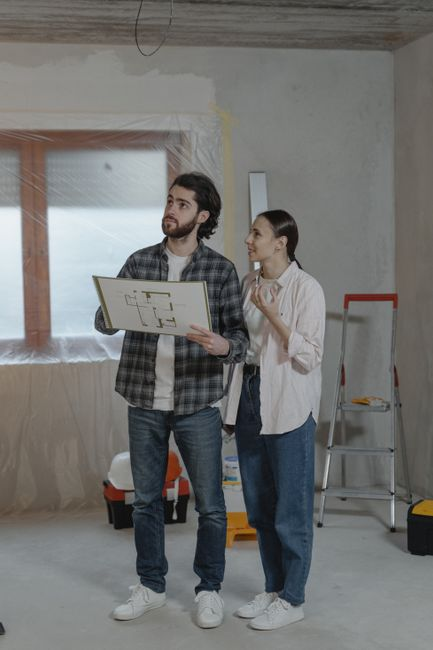
When homeowners compare one-shot remodeling with phased remodeling, the first instinct is usually payment size. Smaller chunks can feel more manageable. But monthly comfort is only one lens, and often not the most important one. We advise people to compare total cost, total timeline, and total disruption together, because that is where the real answer usually shows up.
Total cost asks a simple question: what will you spend by the end, not just what you spend first? Total timeline asks how long the house will be in some level of construction mode from first demo to final completion. Total disruption asks how many times your routines, privacy, storage, meals, sleep, parking, and family flow will be interrupted. Once those three are considered together, phasing stops looking automatically conservative and starts looking like a strategic choice that has to earn its place.
In many cases, a coordinated remodel costs less than a staggered one because trades can move through the home in a more efficient sequence. In many other cases, even when phased execution still makes sense, the savings come from better planning rather than from the mere fact of breaking the work apart.
Why staged work can quietly become the more expensive path
The hidden trap in phased remodeling is what we call the double-pay problem. Every time work restarts, parts of the project often have to restart with it. Protection goes back up. Materials get moved again. Dust containment gets rebuilt. Crews remobilize. Utilities may need to be disconnected and reconnected. Finish lines that looked clean on paper have to be tied into existing work later.
That does not mean every phased project is wasteful. It means staged construction has friction costs that many homeowners underestimate at the start. A kitchen completed now and adjacent flooring delayed until later can create transition issues. A bathroom phase done before a broader plumbing upgrade may lead to repeated access or redesign. New finishes installed early may need extra protection during later phases. Even supervision and scheduling can become more expensive when the same house requires multiple construction cycles instead of one coordinated push.
We also see cost creep come from decision drift. Separate phases often mean separate material selections, revised drawings, updated pricing, and changing site conditions. What looked like a budget-friendly pause can turn into a more expensive reset.
Living in the house is where the decision gets real
Phasing is often chosen because a family wants to stay home. Sometimes that is realistic. Sometimes it is the exact reason the project becomes harder than it needed to be. A remodel does not disrupt life only when the room under construction is unusable. It also affects circulation, noise, dust migration, deliveries, storage, parking, pet routines, school mornings, and basic privacy.
The kitchen is usually the clearest example. A temporary kitchen can work, but only if it is actually planned, not just mentioned as reassurance. Where will refrigeration go? Where will dishes be washed? Is there safe countertop space? What happens to venting, food prep, trash flow, and daily cleanup? The same goes for bathrooms. One remaining bath may be enough on paper, but if it is on the wrong side of the work zone or shared by too many people, the stress shows up fast.
Sometimes moving out for one concentrated construction period creates less disruption, less emotional fatigue, and even less total cost than stretching the work while trying to preserve partial livability. We never think that decision should be made casually. But we do think it should be evaluated honestly. Staying home is not always the cheaper or easier path just because it avoids temporary housing.
Los Angeles permits and inspections can punish weak sequencing
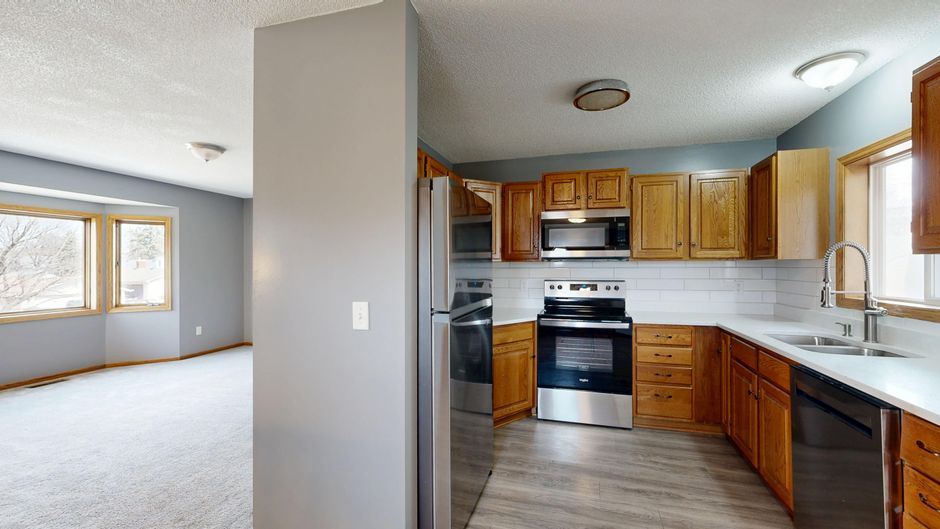
In Los Angeles, remodeling is shaped by more than design and labor availability. Permit review, approvals, inspections, and existing property records affect how smoothly a project can move. When work is split into phases, the administrative burden can increase along with the field burden.
Different phases may trigger separate plan reviews, revised scopes, repeated inspections, or updated coordination between trades. Work also has to be sequenced around approval points. If a phase uncovers something that should have been addressed in a later phase, the permit strategy can become less efficient. That is especially true when layout, plumbing, electrical, or structural decisions are interconnected across multiple rooms.
For Encino homeowners, this is where a full-service planning approach matters. We want the permit path to reflect the whole project logic, not just the first room on the wish list. Even if execution is staged, the sequencing should account for what comes next so the project does not keep re-solving the same approval and coordination problems.
Older Encino homes often make stage-by-stage remodeling riskier
Many older homes in Encino are exactly the kind of properties where phasing needs extra caution. Once walls, ceilings, or floors are opened, existing conditions can change the plan. Electrical may need upgrades. Plumbing may be older than expected. Framing may be irregular. Prior work may not fully match current records or may reveal undocumented modifications.
If you open the house in stages without a whole-home strategy, those discoveries can keep resurfacing instead of being integrated once. A panel issue found during a kitchen remodel may also affect future bathrooms. Plumbing discovered in one phase may reshape decisions in another. Structural realities hidden behind finishes can alter timelines and budgets after partial commitments have already been made.
This is one reason phasing can become a false economy in older homes. The discoveries are not neatly loyal to the room you planned to remodel first. They belong to the house as a system. We would rather evaluate that system early, build a realistic roadmap, and decide whether phased execution still makes sense with open eyes.
When phasing actually is the smart move
There are cases where phasing is absolutely reasonable. If a scope can be isolated cleanly, if a family has genuine cash-flow constraints, or if calendar timing matters around school, travel, or business operations, staged construction may be the right answer. But even in those cases, we still believe the best first step is one master plan.
A cleanly isolated phase might be a contained addition, a separate guest area, or a remodel sequence where the future work will not force expensive tie-backs into completed finishes. Cash-flow-driven phasing can also work when everyone is honest about total cost and not pretending the staged plan is automatically cheaper. Calendar-based phasing can be smart if it reduces chaos during key family periods and the sequencing is disciplined enough to avoid repeated rework.
The key is that phasing should be strategic, not reactive. If the plan exists only to postpone hard decisions, it usually creates more of them later.
What we should be able to show you before recommending phases
If a contractor says a phased remodel is the right path, that recommendation should come with real preconstruction clarity. Before any contract is signed, we believe you should be able to review the logic behind the sequence, not just hear that it will be “more manageable.”
- A whole-home roadmap showing the final vision, not just the first phase
- Clear sequencing logic explaining why each stage happens in that order
- A permit strategy that accounts for approvals, inspections, and likely revisions
- A realistic temporary kitchen and bathroom plan if you intend to stay home
- A credible explanation of total cost, including remobilization and tie-in impacts
- An honest discussion of hidden-condition risk, especially in older homes
That is the standard we hold ourselves to at New Dawn Construction. Whether a client remodels all at once or in carefully planned stages, we want the decision grounded in how the house will actually be built, lived in, and completed.
Common questions we hear from Encino homeowners
Does phased remodeling usually save money?
Not usually by default. It can reduce upfront spending, but that is different from reducing total cost. Repeated setup, protections, supervision, utility work, inspections, and finish tie-ins often make phased work more expensive overall unless the phases are planned very carefully.
Can permits be simpler if we split the project up?
Sometimes a smaller isolated scope is simpler, but split projects can also create repeated approval friction. If rooms and systems affect one another, separate phases may require extra coordination rather than less. That is why permit strategy should be discussed before deciding how the remodel is structured.
Is staying in the house a good reason to phase the remodel?
It can be, but only if the house can support temporary living conditions in a realistic way. We look at kitchen function, bathroom access, dust separation, circulation, storage, and family routines before assuming live-in remodeling is the better choice.
Are older homes poor candidates for phased remodeling?
They can be riskier candidates because hidden electrical, plumbing, framing, and prior undocumented work may affect multiple future phases at once. Older homes are often where one coordinated roadmap delivers the most value, even if the build is staged for timing or budget reasons.
What is the safest next step if we are unsure?
Start with a whole-home roadmap and sequencing review. That lets you compare one coordinated push against phased execution using real project logic instead of assumptions. At New Dawn Construction, that is how we help homeowners make the smarter call before avoidable costs and disruptions get locked in.
Ready to map out your Encino remodel the smart way?
New Dawn Construction helps homeowners compare phased execution against one coordinated remodel with clear sequencing, permit strategy, and realistic budget planning before avoidable costs get locked in.