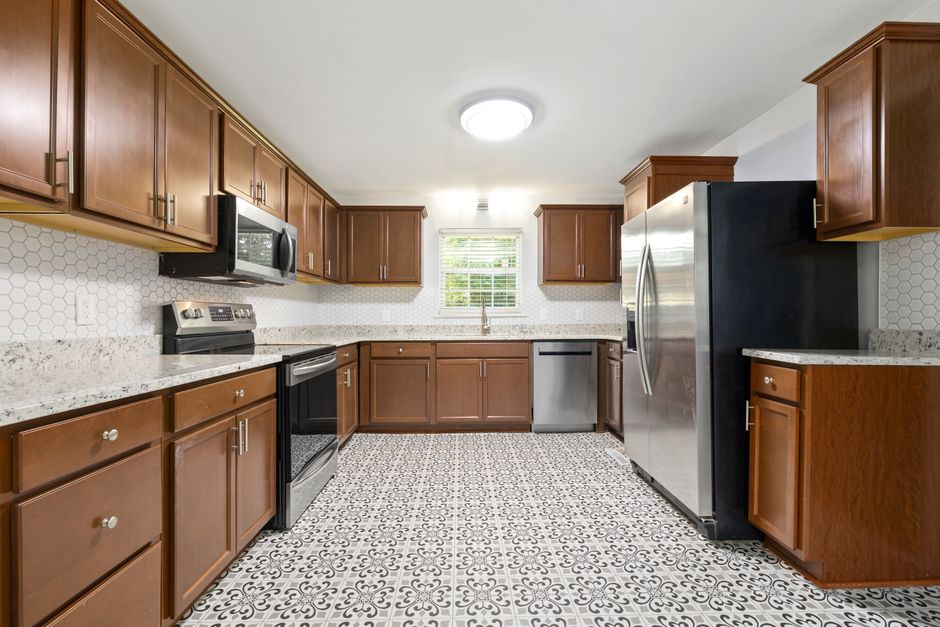
You start with a new range and a quieter hood in mind, and for a minute the remodel still feels simple. Then the questions begin stacking up. Can the panel support induction? If the back rooms run hot every summer, should the HVAC be reconsidered now? If parts of the kitchen are already being opened up, does it make sense to revisit insulation, windows, or ventilation before finishes lock in? That is usually the moment the real issue comes into focus: the most popular home renovation projects among California homeowners are not automatically the smartest ones to bundle into one Los Angeles remodel.
We see this all the time. A project starts as a style update or a kitchen-first plan, but today’s most in-demand energy-efficient home renovations quickly turn it into a sequence question. Some upgrades are worth doing while access is easier and trades are already mobilized. Others deserve early evaluation, even if they happen later. A few can wait without creating expensive rework. In Los Angeles, that distinction matters because permitting, infrastructure, and older housing conditions can change what looks straightforward on paper.
Not sure which upgrades should happen now and which can wait?
Before cabinetry, finishes, and permits lock in, talk through panel capacity, ventilation, HVAC, insulation, and sequencing with a Los Angeles remodeling team that looks at the whole picture.
Most homeowners who search popular renovation ideas are not actually chasing trends for their own sake. They are trying to solve a daily-life problem. Sometimes it is a kitchen that no longer functions. Sometimes it is a whole-home modernization plan for an older property. Sometimes it is uneven temperatures, rising utility bills, stale indoor air, or rooms that feel louder, hotter, or draftier than they should.
There are a few common paths. The kitchen-first homeowner often discovers that appliances, ventilation, circuits, and panel capacity are tied together more than expected. The whole-home planner is usually trying to avoid doing finish work now and infrastructure later. The comfort-focused homeowner wants relief from heat, noise, and poor airflow, not just lower bills. And the older-home owner often suspects the house may have hidden constraints that will affect what is truly feasible. Once we identify which path you are on, the popular-project list becomes much more useful.
The projects California homeowners are choosing most often right now
Across California, the renovation categories getting the most attention tend to center on comfort, electrification, and energy performance. The important thing is not to treat them like isolated upgrades. In a real Los Angeles remodel, each one can trigger design, permitting, and sequencing decisions that affect the rest of the house.
Kitchens still drive the conversation
Kitchens remain one of the most popular renovation projects because they combine function, value, and everyday visibility. But they have also become the decision hub for many energy-efficient home renovations. A kitchen remodel can lead directly to appliance electrification, better ventilation, lighting updates, dedicated circuits, and electrical-service questions. What looks cosmetic at first often becomes the place where larger infrastructure choices finally have to be made.
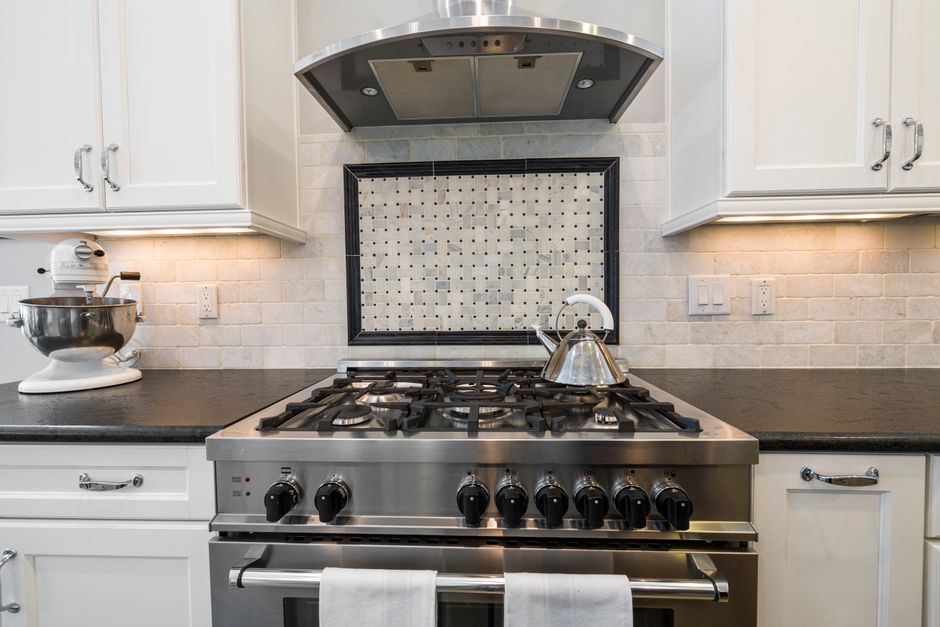
That is why we like to settle the hidden questions early. If the plan may include induction cooking, improved exhaust, or broader electrical modernization, it is better to account for that before cabinetry, finishes, and final layouts are locked.
Windows are popular for reasons that go beyond appearance
Many California homeowners pursue replacement windows for comfort, noise control, and heat management as much as for curb appeal. In Los Angeles, sun exposure and uneven room temperatures make windows feel like a quality-of-life upgrade. But window work can range from relatively contained replacement to a much larger scope if openings change, surrounding finishes are affected, or older conditions complicate installation.
Popularity does not automatically mean urgency, though. If windows are truly underperforming in rooms already being remodeled, early evaluation makes sense. If the issue is isolated and the current project does not touch those areas, phasing may be perfectly reasonable.
Insulation and air sealing matter because comfort is local
Insulation and air sealing are not always the most glamorous line items, but they are among the most practical. Homeowners usually start caring about them after years of hot bedrooms, drafty living spaces, or HVAC systems that never seem to deliver even comfort. These improvements often make the biggest sense when walls, ceilings, or soffits are already being opened for other reasons.
In other words, this is classic low-regret scope when access is available. Once new finishes are in place, going back for envelope work can become much more disruptive and expensive than homeowners expect.
HVAC upgrades and heat pumps are rising fast
Heat pumps and broader HVAC improvements are increasingly popular because they speak to comfort first. Better cooling performance, quieter operation, and more even temperatures are easy for homeowners to feel right away. They also fit naturally into California’s broader push toward electrification and efficiency.
Still, HVAC is one of the clearest examples of why popularity needs a filter. A system change may depend on duct condition, equipment location, electrical readiness, available space, and how much of the home is being renovated now. If the house already struggles with hot zones or weak airflow, this belongs in early planning even if the final installation happens after another phase.
Electrical panel readiness is often the invisible project
Few homeowners begin with “panel upgrade” at the top of their wish list, yet it often becomes one of the most consequential renovation decisions in an older Los Angeles home. Induction ranges, upgraded HVAC, added lighting, new circuits, EV charging plans, and modern appliances all lean on electrical capacity. If the service cannot support the remodel vision, the rest of the plan has to respond.
This is why we treat panel readiness as a design-enabling question, not a side note. It may not be the glamorous part of the renovation, but it can determine which popular upgrades truly belong in the project.
Ventilation is finally getting the attention it deserves
Better ventilation has become far more visible in remodel conversations, especially in kitchens and baths. Homeowners are connecting the dots between indoor air quality, moisture management, lingering odors, and overall comfort. In practice, ventilation decisions often interact with layout, duct routing, soffit design, roof or wall penetrations, and code-related expectations.

Because ventilation touches both performance and finish coordination, it is usually smartest to evaluate before design details are finalized. Waiting too long can force compromises that are harder to hide and harder to execute cleanly.
Appliance electrification is popular, but it is rarely a standalone choice
Induction cooking, electric dryers, and other electrified appliances are drawing strong interest from California homeowners. Sometimes that interest comes from energy goals, but often it comes from usability, easier cleaning, better air quality, or a desire to modernize the home’s systems over time.
The catch is that electrification often pulls in surrounding work. Dedicated circuits, panel capacity, ventilation design, cabinetry coordination, and sometimes HVAC strategy all start to matter. That does not make electrification a bad idea. It just means it should be decided in context, especially during a kitchen or whole-home remodel.
How we sort these projects before plans get expensive to change
- Do now with the remodel: insulation and air sealing in opened areas, ventilation planning, electrical rough-in needs, panel-readiness review, and appliance decisions that affect layout or circuits. These are the items most likely to create rework if postponed.
- Evaluate early but phase if needed: full HVAC replacement, heat pump conversion, broader window replacement, and whole-home electrification steps. These deserve early feasibility review even if budget or scope pushes part of the work into a later phase.
- Usually safe to defer: isolated finish-level changes or upgrades in untouched areas that do not depend on current wall access, trade coordination, or permit scope. If delaying them will not undo new work, phasing can be sensible.
Why one popular upgrade keeps triggering three more in Los Angeles
This is where many remodel budgets and timelines either stay organized or start drifting. In Los Angeles, a seemingly contained decision can expand because the work crosses building, electrical, mechanical, plumbing, or waterproofing lines. Once that happens, LADBS permitting, plan check, inspections, and coordination across trades all become part of the real project, not just the wish list.
A kitchen is the clearest example. Change the cooking setup, and you may need new circuits. Improve the hood, and duct routing becomes important. Open walls, and it becomes reasonable to ask whether insulation gaps should be addressed. If cooling complaints already exist, HVAC performance may need to be reviewed before the home is buttoned back up. None of this is a reason to avoid ambitious upgrades. It is a reason to sequence them intentionally.
We find that homeowners feel far more confident when the domino effect is acknowledged early. The project stops feeling like a pile of trendy ideas and starts behaving like a coordinated remodel.
Older LA homes can change the answer faster than trends can
Los Angeles housing stock adds a reality check that national renovation articles often skip. Older homes may have limited panel capacity, aging wiring, inconsistent insulation, legacy windows, awkward duct runs, hidden moisture issues, or walls and ceilings that reveal surprises once demolition begins. Those conditions do not make improvement impossible. They simply mean feasibility has to lead the conversation.
For example, a homeowner may want induction because it is popular and genuinely useful, but the home’s electrical system may need upgrades before that choice becomes simple. A family may want to improve comfort with new HVAC equipment, but the actual performance issue may also involve ducting, insulation gaps, or sun-heavy rooms with weak window performance. A bathroom or kitchen remodel may expose waterproofing or framing conditions that reshape priorities on the spot.
This is one reason full-service planning matters. In older homes, the smartest renovation project is often the one that solves the root problem rather than the one that sounded most exciting at the start.
These upgrades are really about daily life
When homeowners hear “energy-efficient home renovations,” they sometimes picture a checklist built for compliance. That is not how these projects feel in real life. The good ones show up as cooler afternoon rooms, quieter interiors, cleaner cooking air, more reliable ventilation, steadier temperatures, and a house that works better without fighting you every season.
That is also why popularity has risen across kitchens, windows, insulation, HVAC, ventilation, and electrification. These are not abstract upgrades anymore. They are comfort upgrades, resilience upgrades, and livability upgrades. Lower operating costs and possible incentives can help the math, but most homeowners stay happy with these decisions because the house feels better to live in every day.
Settle these decisions before plans are finalized
Before design drawings and finish selections harden, we recommend getting clear on a short list of planning questions. Are you likely to electrify any major appliances now? Does the existing panel support the vision? Which rooms already have comfort problems? Will any walls or ceilings be open where insulation, air sealing, or ducting work should be considered? Are windows part of the same problem you are trying to solve, or are they a separate phase? And which upgrades become much harder once cabinetry, tile, drywall, and paint are complete?
That checkpoint is where popular ideas become a workable project. It is also where a coordinated remodeling partner earns their value. At New Dawn Construction, we help Los Angeles homeowners sort trendy demand from smart sequencing, align design with infrastructure, and build a remodel scope that improves the home in ways you can actually feel once the work is done.
Common questions homeowners ask at this stage
Do popular energy-efficient upgrades usually trigger permits in Los Angeles?
Often, yes. It depends on the scope, but electrical, mechanical, plumbing, structural, and waterproofing changes can all bring permit and inspection requirements into the project. That is one reason early scope definition matters.
Should we wait on HVAC or panel work if the kitchen is our main project?
Not necessarily. Even if you phase installation later, those items should usually be evaluated early if the kitchen may affect appliance loads, ventilation, or broader comfort goals. The key is avoiding a design that ignores infrastructure.
Can windows be done later without hurting the remodel?
Sometimes, yes. If the current remodel does not depend on window changes and the surrounding finishes are not being disturbed, phasing can be fine. But if windows are tied to comfort problems in rooms already under renovation, it is worth reviewing them before plans are set.
How do current California code changes affect remodel planning?
The practical takeaway is simple: major renovations and additions deserve earlier conversations about energy performance, mechanical systems, and electrification-related choices. Homeowners do not need to become code experts, but they do need a team that accounts for these implications before construction starts.
What usually creates the most avoidable cost in this kind of remodel?
Late decisions. Adding circuits after cabinetry is ordered, revisiting ventilation after layout is fixed, or realizing too late that the panel or ducting cannot support the plan tends to cost more than evaluating those issues early. Popular projects pay off best when the sequence is right.
Ready to map out your Los Angeles remodel?
New Dawn Construction helps homeowners align design choices with real-world infrastructure, permitting, and comfort goals—so you can avoid costly rework and move forward with a remodel plan that makes sense for your home.