Spa-Like Bathroom Remodels in Los Angeles: What Actually Feels Luxurious
You save a serene boutique-hotel bathroom: a floating vanity, a seamless shower, a wall of pale stone, almost no visual clutter. It looks perfect on a screen. Then you picture an actual weekday morning in your own home, and the standard changes. Would that shower feel warm or drafty? Would the mirror lighting flatter your face or throw shadows under your eyes? Would the room dry out quickly, stay quiet, feel private, and still be easy to clean two months later? That is where a beautiful idea either becomes real luxury or just expensive photography.
When we talk with Los Angeles homeowners about spa-inspired bathrooms, that gap comes up again and again. The goal usually is not more drama. It is a room that feels calm, warm, bright, and effortless every day. The bathrooms that succeed are rarely the ones that chase every hotel trend. They are the ones that prioritize comfort, lighting, ventilation, materials, and layout in the right order.
Create a Bathroom That Feels Luxurious Every Day
If you’re collecting ideas for a spa-like bathroom remodel in Los Angeles, New Dawn Construction can help you turn inspiration into a buildable plan focused on warmth, lighting, layout, ventilation, and long-term comfort.
If we strip the idea down to what actually changes the experience, practical luxury usually comes from a short list: warmth underfoot, flattering layered light, strong ventilation, a shower that contains heat and water well, materials that feel elevated without becoming fussy, and storage that keeps the room visually quiet. Those decisions do more for daily comfort than a showpiece tub that never gets used or an ultra-open wet area that looks dramatic but feels cold.
That is the lens we like to use for bathroom remodeling in Los Angeles. Before we get attached to any one image, we ask how the room should perform at 6:30 in the morning, after a late shower, on a rushed weekday, and over years of real maintenance. Luxury that works in those moments is the kind worth building.
The difference between photo luxury and practical luxury
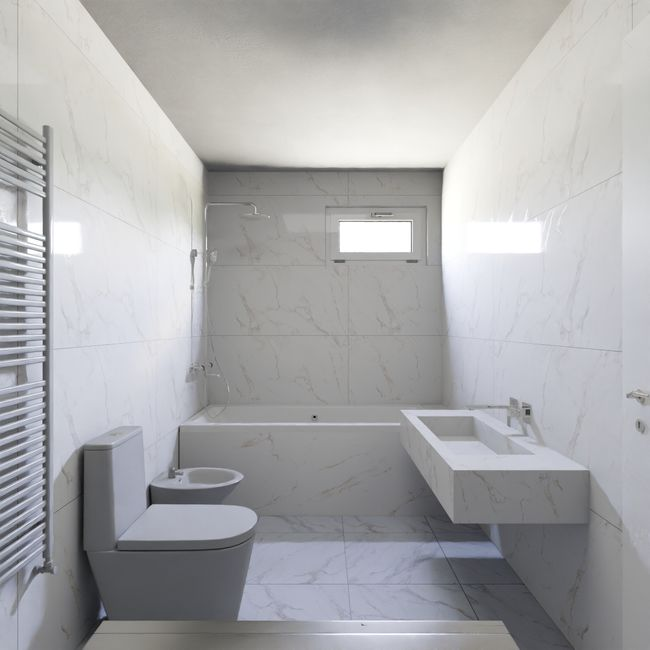
Photo luxury is easy to recognize. It is all-glass minimalism, oversized wet zones, sculptural tubs, and barely-there storage. It can be stunning. But in a residence, especially in older Los Angeles homes, those same choices can create more splash, more cleaning, less privacy, weaker warmth retention, and a room that feels unfinished once everyday products enter the picture.
Practical luxury is quieter. It is the heated floor you notice every winter morning. It is the shower control placed where you can turn water on without getting blasted with cold spray. It is a fan quiet enough to actually use, lighting that makes skin tones look natural, and stone-look surfaces that still feel refined after years of use. The room may still look high-end, but its real achievement is how easy it is to live with.
That distinction matters because once construction starts, budgets tighten quickly. We would rather help a homeowner invest in the hidden and sensory parts of the bathroom first, then layer on expressive design, than do the reverse and end up with a space that photographs beautifully but disappoints in person.
Comfort starts the second you step out of the shower
A spa feeling is not created by tile alone. It starts with warmth, dryness, and simple physical ease. Heated floors are one of the clearest examples. In Southern California, people sometimes assume they are optional because the climate is mild, but bathroom comfort is local to the room, not the forecast. Cold tile at bare feet can make an otherwise expensive remodel feel flat. Radiant heat, especially in a primary bath, tends to deliver daily value that homeowners appreciate immediately.
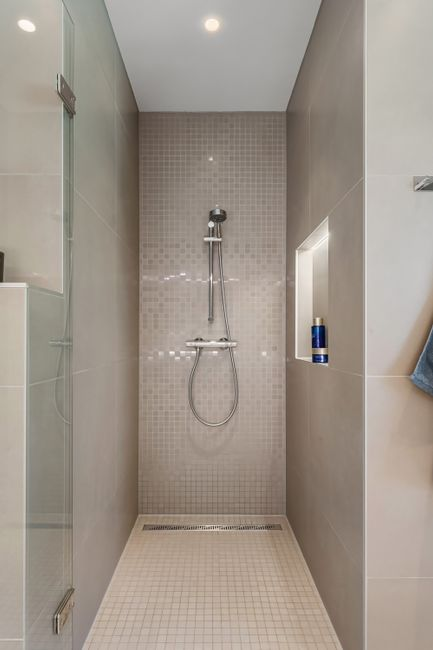
Shower design matters just as much. The open-shower look is popular for a reason, but many residential versions lose heat too quickly or allow too much overspray. In a boutique hotel, that tradeoff may be acceptable because the room is used briefly and maintained constantly. At home, it can make the whole bathroom damp and chilly. We often find that a more thoughtfully enclosed shower, sometimes with minimal glass rather than no separation, gives homeowners the visual openness they want without sacrificing comfort.
Towel strategy is another small decision with an outsized effect. A towel bar across the room looks fine on paper and feels inconvenient in real life. Luxury is reaching for warmth exactly when you need it. Niches, hooks, bars, and even warming features only feel indulgent if they are placed around actual movement patterns. The same goes for shower controls, bench placement, and handheld access. These are not glamorous line items, but they shape whether the room feels intuitive or awkward.
Ventilation belongs in this conversation too. A spa-like bathroom should not stay humid long after use. It should clear steam efficiently, protect finishes, and help the room feel fresh by noon. In many LA homes, especially older ones, underpowered fans or poorly planned ducting are one of the biggest reasons a remodel feels less luxurious over time than it did on installation day.
Light should flatter, function, and calm the room
Lighting is where many high-end bathrooms either come alive or fall apart. A room can have expensive finishes and still feel harsh, dim, or visually flat if the lighting plan is weak. We encourage homeowners to think in layers: good vertical light at the mirror, softer ambient light for the room as a whole, and lower nighttime light that does not shock the senses during an early or late routine.
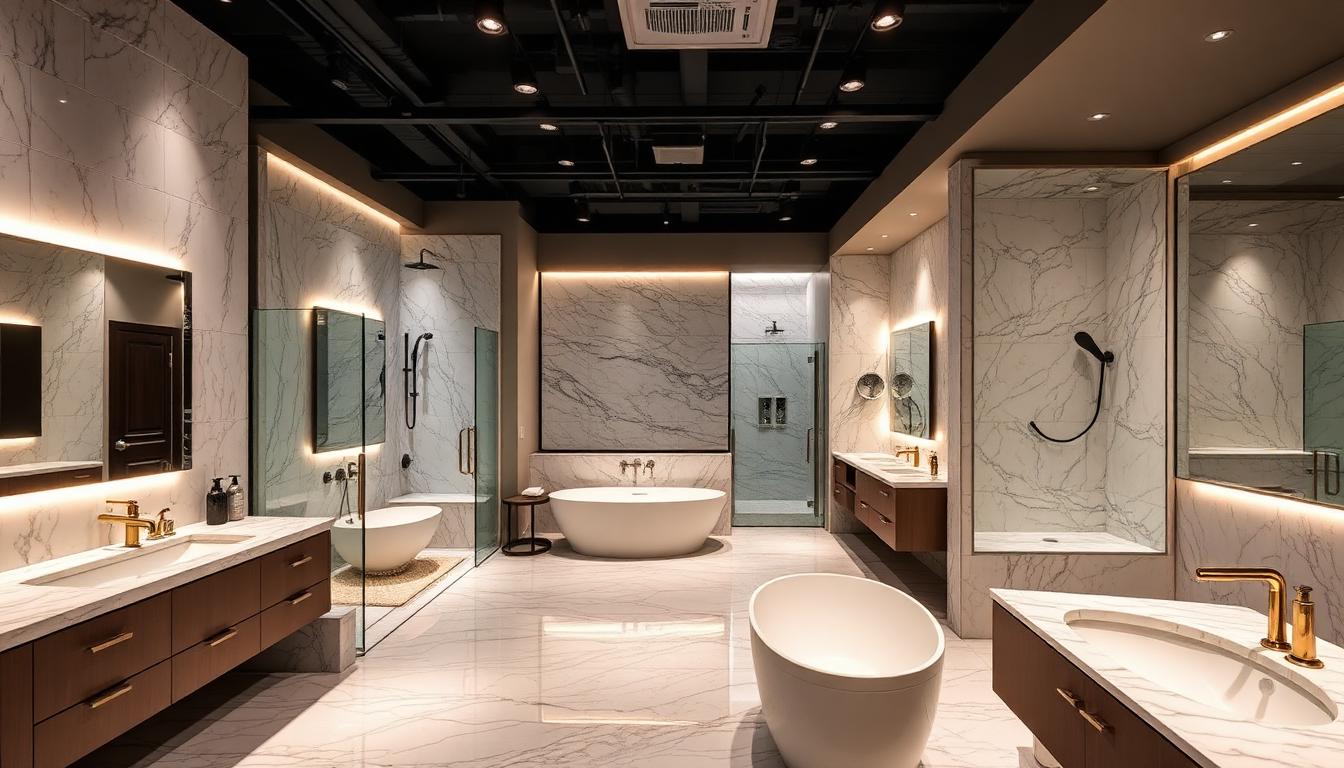
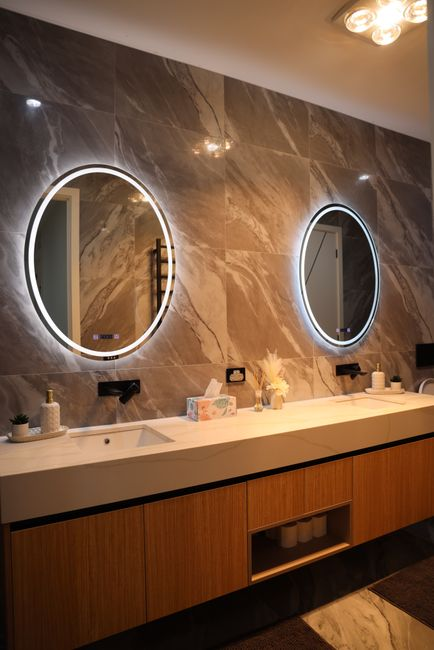
Mirror lighting is especially important. A ceiling can light a room without lighting a face well. If the only strong source is overhead, shadows tend to gather under the eyes and chin. Side lighting, backlit mirrors, or carefully integrated vertical fixtures usually create a much more flattering and usable result. This is one of the fastest ways to move from generic bathroom brightness to the polished feel people associate with good hospitality design.
Los Angeles homeowners often want an airy, California-bright bathroom, and we understand the appeal. Natural light is a huge asset. But daylight still needs control. A beautiful sunlit room can be uncomfortable at certain hours, too exposed at night, or oddly cold in tone if every surface and fixture leans stark. Warmth in a luxury bathroom often comes from balance: natural light paired with dimmers, warm color temperature, and enough visual softness that the room still feels inviting after sunset.
Done well, lighting also supports mood without making the bathroom impractical. We want the room to wake you up when you need clarity and quiet down when you want a more restorative atmosphere. That kind of flexibility feels expensive in the best way because it responds to real life.
Materials should feel elevated without asking for constant babysitting
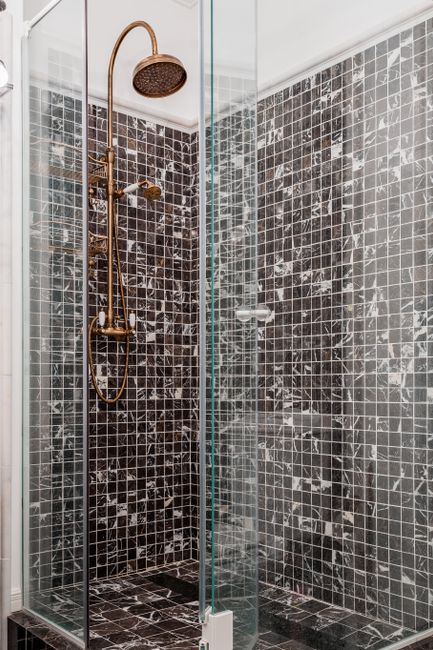
Spa and hotel-inspired bathrooms often lean on stone, wood tones, glass, and large-format surfaces to create calm. The trick is choosing versions of those materials that hold up in a residence. A slab wall or natural stone detail can be beautiful, but if a surface stains easily, shows every water mark, or becomes slippery when wet, the luxury starts to erode. We prefer materials that deliver texture, warmth, and visual depth while still respecting the cleaning realities of a busy household.
That usually means thinking beyond the showroom sample. Honed finishes may feel softer and less glaring than polished ones. Porcelain can offer the look of stone with less maintenance in the right application. Grout size, tile scale, slip resistance, and edge detailing all affect how refined the room feels later. Even something as simple as choosing a floor tile with enough grip can preserve the spa mood better than a slicker, more dramatic option that makes every wet step feel cautious.
Wood-look elements deserve the same discipline. Warm oak tones, fluted details, or custom vanities can make a bathroom feel more residential and less clinical, which is often exactly what a hotel-inspired design needs. But they have to be detailed for moisture and daily use. The point is not to avoid richness. It is to make sure the richness survives contact with steam, water, products, and time.
We also remind homeowners that visual calm often comes from restraint, not from making every surface premium. A bathroom can feel far more sophisticated with a few well-chosen materials used consistently than with a stack of expensive finishes competing for attention.
The best hotel cues at home are privacy, layout, and hidden storage
People often associate boutique hotels with openness, but what they usually love is not literal openness. It is the sense that everything has been resolved. The vanity is clear. The shower feels generous. The clutter is hidden. The lighting is soft. At home, that effect depends heavily on storage and layout.
A shared primary bath, for example, needs more than a sleek vanity silhouette. It needs enough separation, landing space, outlet planning, and storage so the room still works when two people use it at once. If every product ends up on the counter because drawers are shallow or poorly divided, the spa feeling disappears quickly. We like to build storage into the experience, not tack it on after the aesthetic decisions are done.
Privacy also matters more at home than in inspiration photos. Glass can be elegant, but too much transparency can make a bathroom feel exposed rather than serene. Layout decisions around toilet placement, partial separation, sightlines from the bedroom, and even door swing can all influence whether the space feels restful or performative.
In many Los Angeles homes, the smartest move is not enlarging everything. It is editing the room so circulation improves and each zone works better. A vanity that breathes, a shower that holds warmth, and storage that disappears into the architecture often deliver more luxury than simply adding square footage or another focal-point feature.
Where premium features usually pay off—and where we urge caution
Not every upscale feature is a bad investment, and not every indulgence is worth resisting. The key is matching the upgrade to the home, the infrastructure, and the way the bathroom will actually be used.
- Usually worth it: heated floors, upgraded ventilation, layered dimmable lighting, a better shower layout, and high-quality custom storage. These are the features that most consistently improve comfort and performance.
- Often worth it with planning: steam showers, integrated bench seating, premium glass, and high-end slab or large-format surface details. These can be excellent choices when waterproofing, ventilation, and power needs are addressed early.
- Proceed carefully: fully open showers, oversized wet-room concepts, freestanding tubs in tight rooms, and ultra-minimal vanities with little storage. These are the features most likely to look luxurious in photos but disappoint in daily use.
- Ask hard questions first: heated towel elements, specialty lighting scenes, and smart controls. They can be great, but only after the core room works well.
Where Los Angeles homeowners tend to overspend
The most common overspending pattern we see is chasing the signature feature before the room’s fundamentals are solved. A dramatic tub, an extra-large shower footprint, or a wall of premium stone can absorb budget fast. Meanwhile, the fan stays mediocre, the lighting remains one-dimensional, and the storage plan stays thin. That is how an expensive bathroom ends up feeling merely upgraded instead of truly luxurious.
Another common miss is copying commercial spa or hotel ideas too literally. Residential bathrooms usually need more storage, more privacy, and better heat retention. They also do not have the same housekeeping rhythm. What looks effortless in a professionally maintained hospitality setting can become a daily maintenance project at home.
We also urge caution around huge wet areas that seem generous on a plan but leave too much tile to heat, too much glass to clean, and too much open volume to keep comfortable. Bigger is not always better. In bathrooms, the right proportions often matter more than the most expansive gesture.
And then there is finish-first planning. Choosing stone, fixtures, and colors before confirming plumbing realities, electrical capacity, waterproofing strategy, and ventilation upgrades is one of the fastest routes to compromises later. The room should be engineered for comfort before it is styled for impact.
Why LA homes need a more buildable kind of luxury
Los Angeles bathrooms come with their own planning realities. Older homes may hide aging supply lines, uneven framing, moisture damage, undersized electrical service, or ventilation issues that limit what makes sense without deeper upgrades. That does not mean you cannot have a spa-like result. It means the smartest luxury bathrooms in LA are designed with the house in mind instead of imposed on it.
Permits can matter too, especially when a remodel involves layout changes, relocated plumbing, new electrical loads, revised ventilation, or structural adjustments. Homeowners often think of permits as a separate bureaucratic issue, but they can directly affect design choices and sequencing. If a steam shower, heated flooring system, or major reconfiguration is on the wish list, those conversations should happen early, not after finishes are selected.
That is one reason we approach these projects as full systems, not just finish packages. The best bathroom is not the one that copies a hotel image most faithfully. It is the one that translates the feeling behind that image into a room that suits your routines, your house, and your budget. If you are starting to collect ideas for a comfort-first remodel, we can help shape them into a plan that is elegant, buildable, and genuinely enjoyable to use every day.
FAQ
Is a steam shower worth it in a Los Angeles bathroom remodel?
It can be, but only if the enclosure, waterproofing, ventilation, and electrical planning are handled correctly. We usually advise homeowners to treat a steam shower as a system, not just a feature add-on. If the bathroom is not set up to support it, the spend can outpace the benefit.
Do heated floors really matter in Southern California?
Yes, often more than people expect. Bathroom comfort is about bare feet, moisture, and room conditions, not just outdoor temperature. Heated floors are one of the most reliable ways to make a primary bath feel quietly luxurious every day.
What is the biggest mistake with hotel-inspired bathrooms at home?
Copying the look without adapting it for residential life. Open showers, minimal storage, and highly exposed layouts can work visually but fall short on warmth, privacy, and maintenance. The best results borrow the mood of a hotel, not every literal design move.
Should we choose finishes before finalizing layout and infrastructure?
No. We strongly prefer to confirm layout logic, plumbing direction, electrical needs, ventilation, and waterproofing strategy first. That sequence protects the design and helps prevent expensive revisions once construction is underway.
Can an older LA home still support a luxury bathroom remodel?
Usually yes, but the plan should account for hidden conditions early. Older plumbing, dated wiring, framing irregularities, and moisture issues can all influence what is wise to build. A good remodel strategy works with those realities instead of discovering them too late.
Ready to Plan a Comfort-First Bathroom Remodel in Los Angeles?
From heated floors and layered lighting to smarter shower layouts and storage, New Dawn Construction helps homeowners build bathrooms that look refined and work beautifully in real life. Talk with our team about your goals, your home, and what makes sense for your budget.