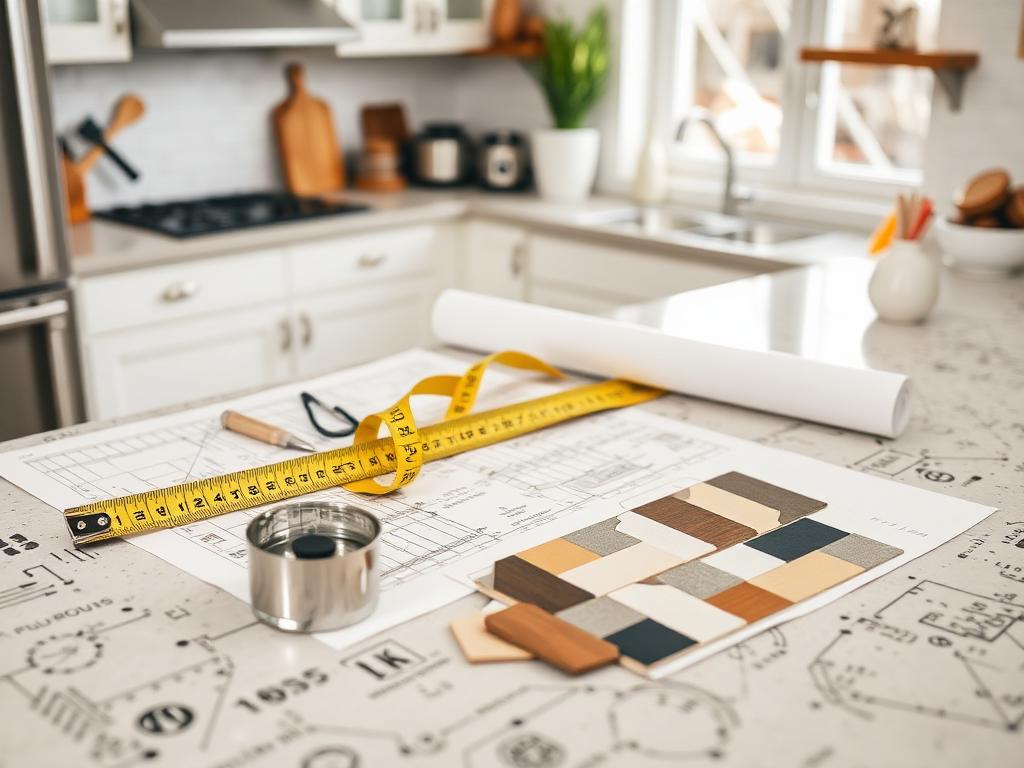
Undertaking a kitchen remodeling project can be both exciting and challenging. Without a comprehensive plan in place, the process can quickly become overwhelming and expensive.
This article provides practical tips on creating a detailed plan for a DIY kitchen remodeling project.
Setting a Realistic Budget
Before embarking on your project, determine the amount of money you're willing to spend. Your budget should include all expenses such as materials, appliances, labor costs, and unexpected expenses.
Proper budgeting helps you prioritize expenses and avoid overspending.
Choosing the Right Materials and Appliances
When selecting materials, consider durability, maintenance requirements, and cost-effectiveness. Choose materials that complement your home's overall aesthetic while meeting practical needs.
Energy-efficient appliances can help reduce electricity bills in the long run.
Creating a Timeline and Workflow
Establish a clear timeline that outlines all steps from demolition to final finishes. Create a workflow that maximizes efficiency and ensure everything is completed within your desired timeframe.
Factor in unforeseen circumstances when creating your plan.
Plan Your Perfect Kitchen Remodel
Ready to create your comprehensive kitchen remodeling plan? Use our project planner to organize your renovation. For hands-on advice, read our DIY kitchen tips and strategies, then contact New Dawn Construction and Remodeling for expert planning assistance and professional execution.
How to Plan a DIY Kitchen Remodeling Project
A 6-step comprehensive guide to planning your DIY kitchen remodel. Learn to set budgets, choose materials, create timelines, design layouts, obtain permits, and execute your kitchen renovation successfully.
- Set a Realistic Budget Determine the amount of money you’re willing to spend on your kitchen remodeling project. Your budget should include all expenses such as materials, appliances, labor costs, and a contingency fund for unexpected expenses. Proper budgeting helps you prioritize expenses and avoid overspending throughout the project.
- Choose the Right Materials and Appliances Select materials that balance durability, maintenance requirements, and cost-effectiveness. Consider materials that complement your home’s overall aesthetic while meeting practical needs for kitchen use. Choose energy-efficient appliances to help reduce electricity bills in the long run and increase home value.
- Create a Detailed Timeline and Workflow Establish a clear timeline that outlines all project steps from demolition to final finishes. Create a workflow that maximizes efficiency to ensure everything is completed within your desired timeframe. Factor in time for permitting, material delivery, and potential unforeseen circumstances when creating your comprehensive plan.
- Design Your Kitchen Layout Plan the optimal kitchen layout based on the work triangle principle (sink, stove, refrigerator). Consider traffic flow, storage needs, and functional zones. Ensure adequate counter space, proper lighting placement, and convenient access to utilities. Professional design consultation can help optimize your space.
- Obtain Necessary Permits Research and apply for all required building permits before starting work. Kitchen remodels typically require permits for electrical, plumbing, and structural changes. Contact your local building department to understand requirements and inspection schedules. Factor permit processing time into your project timeline.
- Execute Your Remodeling Plan Follow your detailed plan systematically, starting with demolition, then rough-in work (plumbing, electrical), followed by installation of cabinets, countertops, and appliances. Complete finish work including backsplash, flooring, and paint. Schedule inspections as required and maintain clear communication with contractors throughout the process.