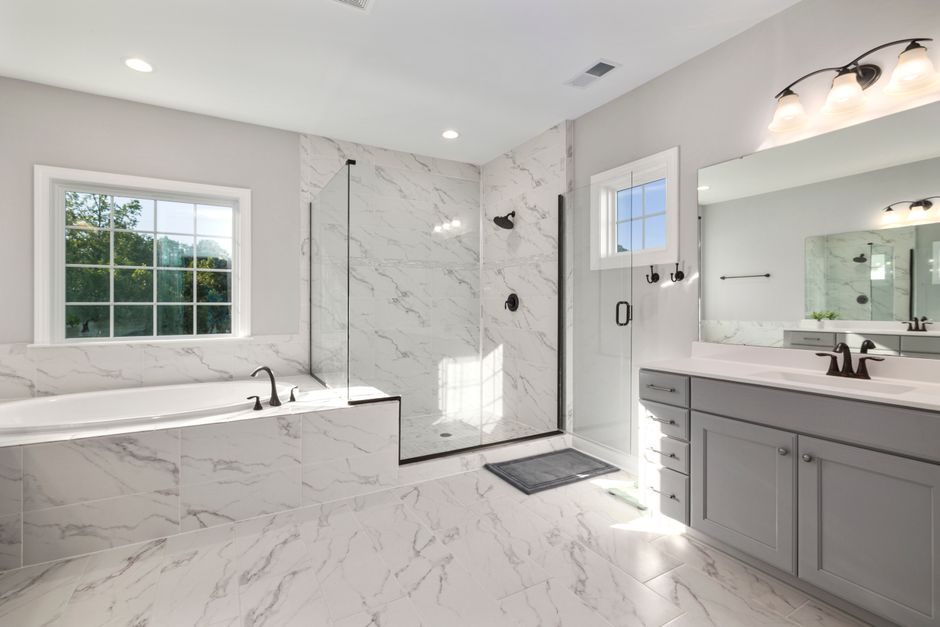
You leave the showroom feeling productive. The tile sample looks beautiful in your hand, the brushed fixture finish seemed perfect under clean lighting, and the glass enclosure in the display looked like the kind of detail that makes a bathroom feel finished. Then the quieter question shows up on the drive home: will this still feel smart once steam hits the room every day, soap residue starts clinging to the glass, hard water spots the hardware, and an older Los Angeles bathroom reveals a few unwelcome surprises behind the walls?
We see that moment all the time. A bathroom can look impressive on selection day and still become mildly irritating to live with six months later. In our experience, the most successful remodels are not the ones built around the flashiest finish. They are the ones where beauty, maintenance, moisture performance, and construction coordination were all considered before demolition started.
Not sure which bathroom selections will hold up in real life?
New Dawn Construction helps Los Angeles homeowners pressure-test tile, glass, fixture, vanity, and layout choices before work begins—so your remodel is easier to build, easier to maintain, and less likely to lead to expensive changes later.
Bathroom decisions are rarely just decorative in Los Angeles. Many homes across LA County have older plumbing, uneven substrates, dated ventilation, or previous alterations that were not made with today’s standards in mind. That means a tile choice, shower detail, or layout tweak can affect much more than appearance. It can influence waterproofing methods, framing adjustments, inspection flow, lead times, and whether the finished room stays easy to maintain.
Local conditions also make everyday upkeep more noticeable. Hard water can punish the wrong fixture finish. Steam can expose weak ventilation fast. A late change to a shower configuration or lighting plan can create costly coordination issues once work is underway. That is why we prefer to treat selections as part of the build strategy, not as a separate style exercise that happens in a vacuum.
The filter we use to avoid expensive regret
Before we get attached to any material or detail, we like to run it through four simple lenses: durability, maintenance, timelessness, and build coordination. If a choice scores well in all four, it usually has a much better chance of still feeling good a few years after the remodel is complete.
Durability is straightforward: will the material hold up to moisture, daily cleaning, foot traffic, and use without looking tired too quickly? Maintenance asks a different question: how much work will this choice create once the room is in service? Timelessness matters because bathrooms are expensive to redo; highly specific trends can age faster than homeowners expect. Build coordination is the one people often miss. A finish may be attractive, but if it complicates waterproofing, ordering, inspections, or field sequencing, it may not be the smartest fit for the project.
That filter works on nearly everything in the room, from tile scale to niche placement to mirror lighting. It helps move the conversation from “Do we like it?” to “Will we still like living with it?”
Where regret usually starts: floors, walls, and wet zones
If a bathroom is going to become high-maintenance, the problem often starts in the wet zone. Shower walls, floors, grout lines, glass, and horizontal surfaces are where daily reality catches up with showroom excitement. A dramatic small-format tile can look rich and handcrafted, for example, but more grout joints usually mean more visual movement, more cleaning, and more places for buildup to collect. That does not make it wrong. It just means the homeowner should choose it knowingly.
Large-format tile often earns its keep because it can reduce grout exposure and create a calmer, more current look without chasing a trend. In many Los Angeles remodels, that calmer visual field also helps a bathroom feel larger and less busy. The tradeoff is that proper substrate prep matters even more. If walls or floors are out of plane in an older home, installation quality becomes critical. A good selection is only low-regret if the assembly behind it supports the finish well.
Floor tile deserves its own pause. A slick surface may look elevated in a sample board, but under wet feet it can become an everyday annoyance. We usually guide homeowners toward finishes with enough texture to feel secure without looking overly utilitarian. This is especially important if the remodel is meant to serve the household for many years, not just photograph well at the end.
Shower glass is another common trap. Floor-to-ceiling expanses of glass can feel luxurious, but they also put water spotting and soap film on constant display. In hard-water conditions, more glass usually means more wiping. Sometimes the low-regret move is not removing glass entirely, but being more intentional about how much of it the design truly needs. A bathroom can still feel open and refined without maximizing every transparent surface.
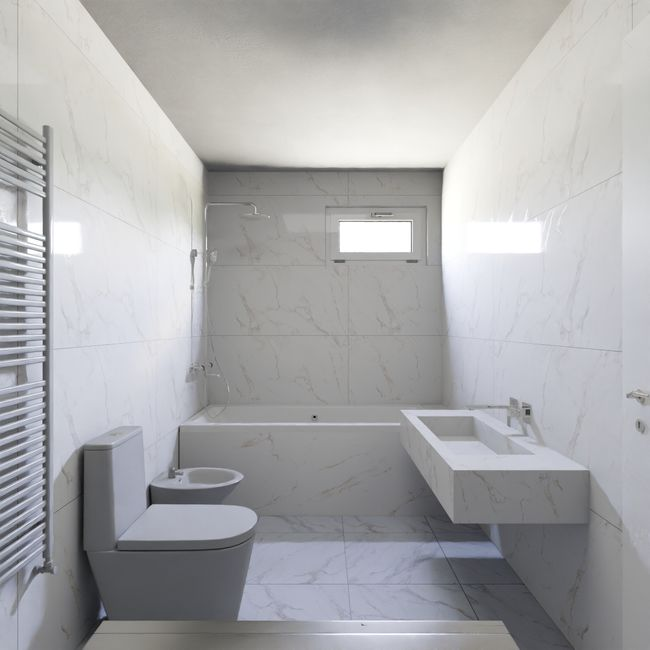
- More grout character usually means more cleaning.
- More glass openness usually means more visible spotting.
- More dramatic patterning usually means less visual flexibility over time.
- More custom detail usually means tighter coordination during installation.
We also pay attention to niches, ledges, benches, and transition details because they shape both maintenance and waterproofing performance. A niche that is placed for symmetry alone can become awkward in daily use. A bench that sounds appealing in theory can crowd a modest shower. Horizontal surfaces tend to collect water and product residue, so they should be included on purpose, not just because they looked good in an inspiration photo.
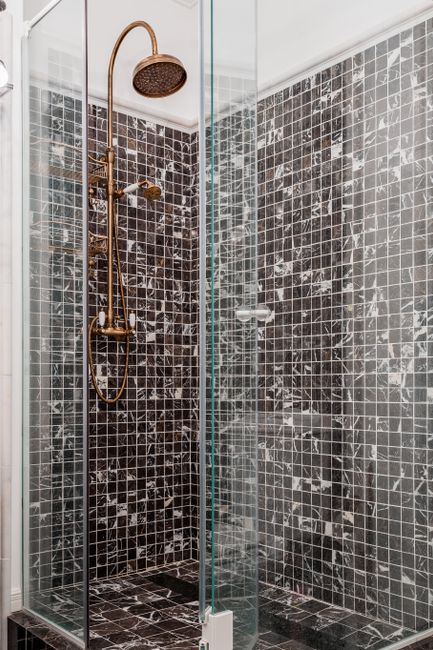
Countertops follow the same logic. We generally favor surfaces that resist staining, clean predictably, and do not ask for delicate treatment in a room that sees toothpaste, cosmetics, moisture, and heat. The goal is a bathroom that feels premium because it works smoothly, not because every surface demands special care.
The smaller details that decide how the room feels every morning
Once the tile is chosen, homeowners often assume the hard part is over. In reality, fixtures, hardware, vanity finishes, mirrors, and lighting can have just as much influence on day-to-day satisfaction. These are the details you touch, wipe down, and rely on every single day.
Hardware finish is a good example. Some finishes disguise fingerprints and water marks better than others. Some age with more visual grace. Others can look striking on day one but ask for more upkeep in a hard-water environment. We usually encourage clients to think less about what is currently the most talked-about finish and more about what will still feel composed when it is being used by a busy household on a normal weekday.
Vanities deserve similar discipline. Painted cabinetry can be beautiful, but the sheen, color, door profile, and material quality all affect how well it handles moisture and wear. In many bathrooms, simpler profiles and durable finishes hold up better visually than highly ornate detailing. That does not mean plain. It means edited. Storage that closes cleanly, drawers that are actually sized for daily routines, and materials that tolerate humidity well will usually age better than a vanity chosen mainly for instant visual drama.
Lighting is one of the most underrated low-regret decisions in a bathroom remodel. A room can have gorgeous stone and still feel disappointing if the lighting is harsh, dim, or badly placed. We like layered lighting: functional task light where people actually get ready, ambient light that softens the room, and accent light only where it adds value. Good bathroom lighting is not about making the room brighter in a generic way. It is about making grooming easier, reducing shadows, and helping finishes look calm instead of overly reflective or flat.
Mirrors and medicine cabinets also deserve a practical lens. A clean mirror wall can look minimalist, but hidden storage often wins in real life. The best bathroom upgrades are usually the ones that quietly reduce clutter. When the room stays organized more easily, it tends to keep its finished look much longer.
Choosing the right priority for your type of remodel
Not every Los Angeles bathroom should be optimized the same way. The right low-regret decision depends on what kind of pressure the project is under.
If your home is older and likely to reveal surprises
We would prioritize buildable, flexible selections over fragile design ambitions. Older homes often need extra attention on ventilation, waterproofing, drain alignment, wall straightness, or plumbing updates. In that situation, it helps to choose finishes that work well with realistic site conditions and do not depend on perfection everywhere behind the scenes. Clean lines, durable surfaces, and well-coordinated details usually outperform fussier combinations.
If you are refreshing on a tighter budget
Spend where daily use is highest and where replacement is hardest later. Good lighting, durable flooring, a practical vanity, and easy-clean wet-zone materials usually return more satisfaction than pouring the budget into one dramatic statement feature. A restrained palette can still feel upscale if the proportions, installation quality, and storage decisions are handled well.
If you are planning for long-term livability
This is where elegant accessibility features become smart mainstream design. Curbless entries, a comfortable shower footprint, secure blocking for future grab bars, better clearances, and a place to sit can all be integrated without making the room feel clinical. We see these choices as some of the most future-friendly upgrades a homeowner can make because they support comfort now and flexibility later.
If resale matters
Timelessness should carry more weight than novelty. Buyers tend to respond well to bathrooms that feel clean, bright, durable, and easy to care for. A remodel does not need to be bland, but it should not lock the next owner into a high-maintenance aesthetic. In resale-sensitive projects, we generally lean toward calm materials, sensible storage, layered lighting, and details that signal quality without becoming too taste-specific.
Why we want selections settled before demo begins
This is the operational side of bathroom remodeling in Los Angeles that homeowners often underestimate. A finish choice can affect waterproofing assemblies, valve placement, framing support, electrical locations, ventilation planning, and how the permitted scope is documented. When selections stay loose too long, the project becomes more vulnerable to delays, mismatched ordering, field revisions, and change orders.
For example, a decision to switch tile format after prep has been planned can affect layout and substrate expectations. A late move to a curbless shower can change slope, waterproofing, and transition details. A vanity change can alter plumbing rough locations, mirror sizing, and lighting placement. A different enclosure style can affect blocking, glass ordering, and the final feel of the room. None of these are impossible problems. They are just much cheaper and calmer to solve before demolition than during it.
That is one reason our process puts so much emphasis on coordinated planning. We want materials, dimensions, performance goals, and installation logic aligned early so the bathroom is not only attractive on paper but practical to build well in the real conditions of an LA home.
Quick answers to a few high-friction bathroom decisions
Are curbless showers worth it?
Often, yes—if they are planned correctly from the beginning. They can look cleaner, improve accessibility, and make the room feel larger. But they are not a last-minute styling move. They require thoughtful slope, waterproofing, and transition planning.
Is a shower niche always a good idea?
Only if it is sized and placed for how the shower will actually be used. A niche should support storage without forcing awkward reach or creating a fussy visual interruption. We prefer niche placement that balances function, waterproofing logic, and layout cleanly.
Do large mirrors and lots of glass make a bathroom feel better?
Sometimes visually, yes. But they also increase the amount of surface area showing spots, streaks, and residue. The better question is whether the openness they create is worth the cleaning they demand.
Should I choose trendy finishes if I love them right now?
If you genuinely love them and understand the tradeoffs, maybe. We just encourage homeowners to be honest about whether the choice reflects lasting taste or a moment of inspiration. Bathrooms are expensive enough that a three-to-five-year horizon matters.
Bring the samples in before they become a problem
If you are already collecting tile, fixture, vanity, and lighting ideas, this is the best moment to pressure-test them. We help Los Angeles homeowners sort through finish decisions before demo so the room is easier to build, easier to maintain, and more likely to feel right long after reveal day. That is the value of a contractor-led selection process: we are not just asking what looks good together. We are asking what will hold up together in a real bathroom, in a real LA home, under real daily use.
At New Dawn Construction, we guide that process with the full project in mind—materials, moisture, layout, coordination, and the quality of the finished space. When those decisions are made early and made well, bathroom remodeling in Los Angeles becomes far less reactive and much more rewarding.
Ready to plan a low-regret bathroom remodel in Los Angeles?
Work with a team that looks beyond showroom appeal and helps coordinate materials, moisture performance, layout, lighting, and installation details from the start. New Dawn Construction can help you build a bathroom that feels as good to live with as it looks on reveal day.