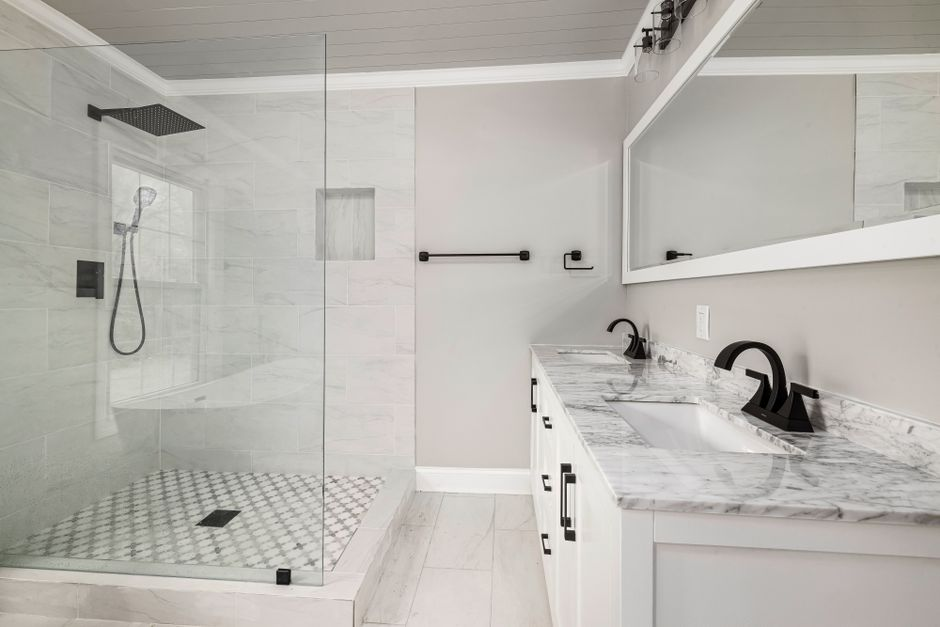
Demolition is underway, the old tile is gone, and suddenly the bathroom stops being about finishes. With the walls open, the real decisions show up fast: keep the old drain line or replace it, leave the fan as-is or finally fix the steam problem, move the vanity, add better lighting, deal with whatever the demo just exposed, or protect the budget and push some of it later. That window is short, and once inspections and close-up start moving, some choices become much more expensive to revisit.
In our experience, this is the highest-leverage moment in a bathroom remodel Los Angeles homeowners can make use of. Tile, mirrors, and fixtures matter, but the choices behind the walls are what usually decide whether the room stays dry, feels comfortable, passes through the process smoothly, and ages well. When clients come to New Dawn Construction, we help them sort those hidden decisions first so the visible ones are built on something solid.
Not sure which hidden upgrades belong in your remodel scope?
New Dawn Construction helps Los Angeles homeowners prioritize the behind-the-walls decisions that protect durability, comfort, and budget before finishes go in.
The simplest way to decide what belongs in the current remodel is to ask four questions. Does this reduce water or moisture risk? Does demolition already expose a deficiency? Does the work depend on wall, floor, or ceiling access? And will it become significantly more disruptive once finishes are installed? If the answer is yes to any of those, it usually belongs in the now pile.
That framework matters because homeowners often feel pressure to protect budget by trimming hidden scope first. Sometimes that is reasonable. But sometimes it creates a false savings: saving a few thousand now only to reopen walls, retile areas, interrupt daily life again, and pay setup costs twice later. We usually guide clients toward spending first on what is hardest to revisit and most connected to durability, safety, and comfort.
The opposite category is easier to phase. Cosmetic swaps, some accessory upgrades, and a few convenience improvements can often wait without creating waste. The key is knowing the difference before the room is closed up.
The hidden work that usually deserves priority
Plumbing and waste lines come first because they are literally buried in the structure of the bathroom. If demolition reveals aging supply lines, questionable drain conditions, poor slopes, previous patchwork, or a layout that never worked well, this is the moment to correct it. Once new waterproofing, tile, and cabinetry are in place, even a small plumbing correction can turn into an invasive repair. In older Los Angeles homes especially, we often see homeowners inherit systems that have been “good enough” until the room is opened and the real condition becomes obvious.
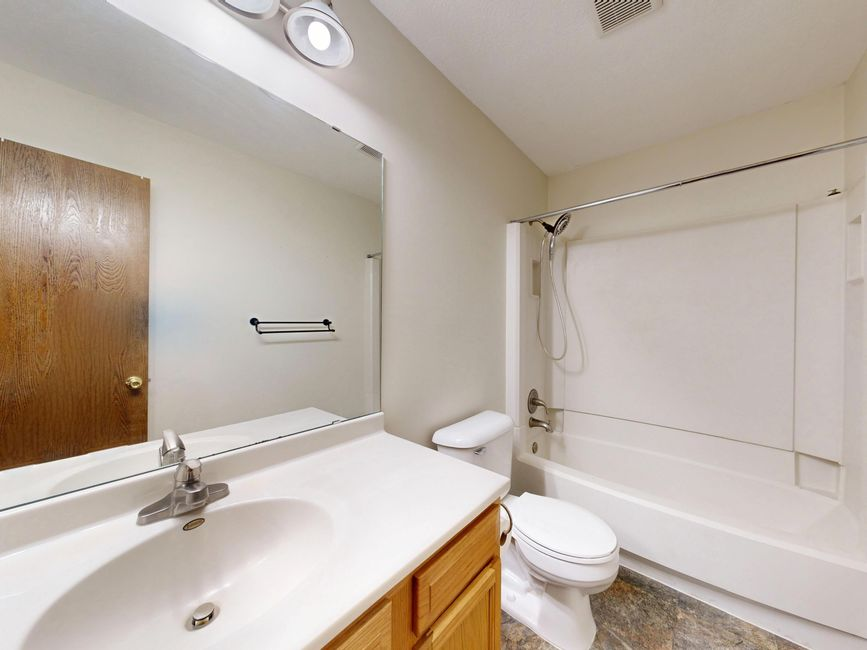
Right behind plumbing is waterproofing. This is one of the least glamorous parts of a bathroom remodel and one of the most important. A shower can look perfect on day one and still fail over time if the waterproofing approach underneath is inconsistent, rushed, or built around compromised substrates. Homeowners sometimes focus on the surface tile budget while underestimating the value of getting the shower assembly, transitions, and vulnerable wet areas built correctly. We would almost never advise phasing this kind of work if the bathroom is already open.
Ventilation is another upgrade that pays off quietly every day. A weak or poorly located exhaust fan can leave a bathroom damp, encourage mildew, and shorten the life of finishes. In Los Angeles, where many homes include older bathrooms that were built before modern comfort expectations, inadequate ventilation is common. If the room is being opened up, it is often smart to improve the fan, ducting path, or switching strategy while access is easy, rather than accept another decade of mirror fog, trapped moisture, and extra maintenance.
Then there is electrical and lighting infrastructure. This is about more than choosing pretty sconces. Open walls create the best chance to add the wiring and switching that make a bathroom work better: dedicated lighting zones, better vanity lighting placement, upgraded receptacle locations, power for future features, and cleaner coordination with exhaust and shower lighting. Even if a homeowner is not ready to buy every premium fixture now, roughing in the right infrastructure can preserve options without forcing a full redo later.
When layout changes are worth the trouble
Moving plumbing is not automatically a smart upgrade. In many bathrooms, keeping the toilet, vanity, and shower in roughly the same locations is the best way to protect budget while still achieving a major visual and functional improvement. If the footprint works, the storage is sufficient, and circulation is not awkward, leaving core fixture locations in place can free money for better waterproofing, ventilation, lighting, and finish quality.
But sometimes layout changes are absolutely worth it. If a cramped shower can be enlarged into space no one meaningfully uses, if the vanity placement creates daily congestion, or if the room has a poor arrangement that has annoyed the household for years, open-wall access can make a more ambitious change make sense. We especially see this in primary bathrooms where better spacing, a larger shower, or a more useful vanity setup changes the room from merely updated to genuinely easier to live in.
The question we ask is not “Can this be moved?” It is “Will this improve the way the bathroom works enough to justify the added coordination?” If the answer is yes, doing it during one coordinated remodel is usually cleaner than trying to stage structural and plumbing shifts later. If the answer is no, preserving the layout is often the disciplined choice.
Older Los Angeles homes often change the plan midstream
One reason bathroom remodels in LA need calm, experienced project management is that older homes rarely reveal everything before demolition. Once walls are open, we may find moisture damage around a shower, aging galvanized or otherwise outdated supply lines, past drain modifications, weak framing at fixture areas, or electrical conditions that no longer make sense for a modern bathroom. These discoveries are not unusual. They are part of the reason hidden-scope prioritization matters so much.
That is also why we do not like pretending every remodel should follow a perfectly fixed cosmetic script. If demo exposes rot, active leak evidence, failing substrates, or infrastructure that is already at the end of its useful life, the right move is often to reset the scope before the room is closed back up. It is far better to make a hard decision during construction than to knowingly bury a problem under beautiful finishes.
For homeowners in older LA housing stock, this is where a full-service team makes a real difference. Coordinating carpentry, plumbing, electrical, and finish decisions under one remodeling plan usually leads to better judgment calls than treating each surprise as a separate patch job.
Why timing matters in Los Angeles
Bathroom remodel decisions do not happen in a vacuum. In Los Angeles, scope can affect permit paths, inspections, sequencing between trades, and the timing of close-up. We are careful not to overload homeowners with code talk, but the practical point is simple: some decisions are easiest to solve before the project moves past rough stages. Once work is inspected and surfaces are ready to close, changing your mind tends to ripple across schedule, labor, and cost.
That is why we encourage clients to resolve hidden-system priorities as early as possible. Plumbing rough-ins, electrical planning, ventilation improvements, backing for accessories, lighting locations, and waterproofing details all work better when the project is coordinated as one thought-through scope. Late decisions often cost more not because the upgrade itself is so expensive, but because the project has to pause, revise, and redo work that was already moving in the right sequence.
For budget planning, this means separating must-protect items from nice-to-have items before finishes start consuming attention. A bathroom that is dry, bright, properly vented, and built around sound infrastructure will usually feel like money well spent long after a trend-driven fixture choice loses its novelty.
What usually belongs now, and what can often wait
- Usually do now: supply and drain corrections, shower waterproofing, subfloor or framing repairs tied to moisture, ventilation improvements, electrical rough-ins, lighting infrastructure, and layout changes that require opening walls or moving plumbing.
- Often safe to phase later: mirrors, many decorative light fixture swaps if wiring is already planned, accessories and hardware, some smart features, paint touch-ups outside wet zones, and select cosmetic upgrades that do not require tearing into finished assemblies.
That list is not a rulebook, but it is a useful checkpoint. If an upgrade depends on access you already have today, it deserves serious consideration now. If it can be changed later with minimal disruption, it is a better candidate for phasing.
The right next step depends on what kind of project you have
If you are budget-conscious, we would focus first on the items that prevent future tear-out: waterproofing, ventilation, plumbing corrections, and essential electrical planning. That approach protects the remodel from hidden regret even if some finish-level upgrades wait.
If you own an older home, assume demolition may reveal conditions worth addressing before close-up. In that case, the smartest path is a remodel plan with enough flexibility and coordination to absorb real discoveries without turning the project chaotic. That is where our team at New Dawn Construction is at our best: helping clients make durable decisions quickly, clearly, and without losing sight of the bigger budget.
If this is a primary bath and you are considering layout changes, the conversation should be more strategic. A better shower footprint, improved vanity placement, or stronger lighting plan may be worth the extra plumbing and electrical coordination if the room will serve you every day for years. When the function gain is real, one well-managed remodel is usually far more efficient than trying to fix a compromised layout later.
Whatever category you fall into, the goal is the same: spend first where closed walls would make future improvements messy, wasteful, or risky. That is the kind of scope planning we build around at New Dawn Construction, because a bathroom should not just look finished. It should be built in a way that stays comfortable, durable, and easy to live with long after the dust is gone.
FAQ
Will these kinds of bathroom upgrades require permits in Los Angeles?
Some do, especially when plumbing, electrical, ventilation, or layout changes are part of the scope. Permit needs depend on the actual work being performed, so it is best to clarify that early rather than assume a project is purely cosmetic. We help homeowners understand that scope before work gets too far down the road.
Can lighting be improved without moving everything in the bathroom?
Often, yes. Better vanity lighting, added shower lighting, or improved switching can sometimes be accomplished without a full layout change. The important distinction is whether the improvement only involves fixture selection or whether it needs new wiring and rough-in work behind the walls.
If my budget is tight, should I skip the fan upgrade and spend more on finishes?
Usually not if the existing ventilation is weak. A better fan is one of those upgrades that improves comfort, helps manage moisture, and protects finishes over time. It is rarely the flashy part of the remodel, but it often delivers more long-term value than one more premium surface choice.
Do I need to replace plumbing if nothing is actively leaking?
Not always. But if walls are already open and the plumbing is aging, poorly configured, or showing signs of past trouble, it is worth evaluating carefully. The right decision depends on condition, access, and how disruptive replacement would be after the bathroom is finished.
Planning a bathroom remodel in LA?
Work with a full-service team that can coordinate plumbing, electrical, ventilation, waterproofing, layout, and finishes into one well-managed remodeling plan.