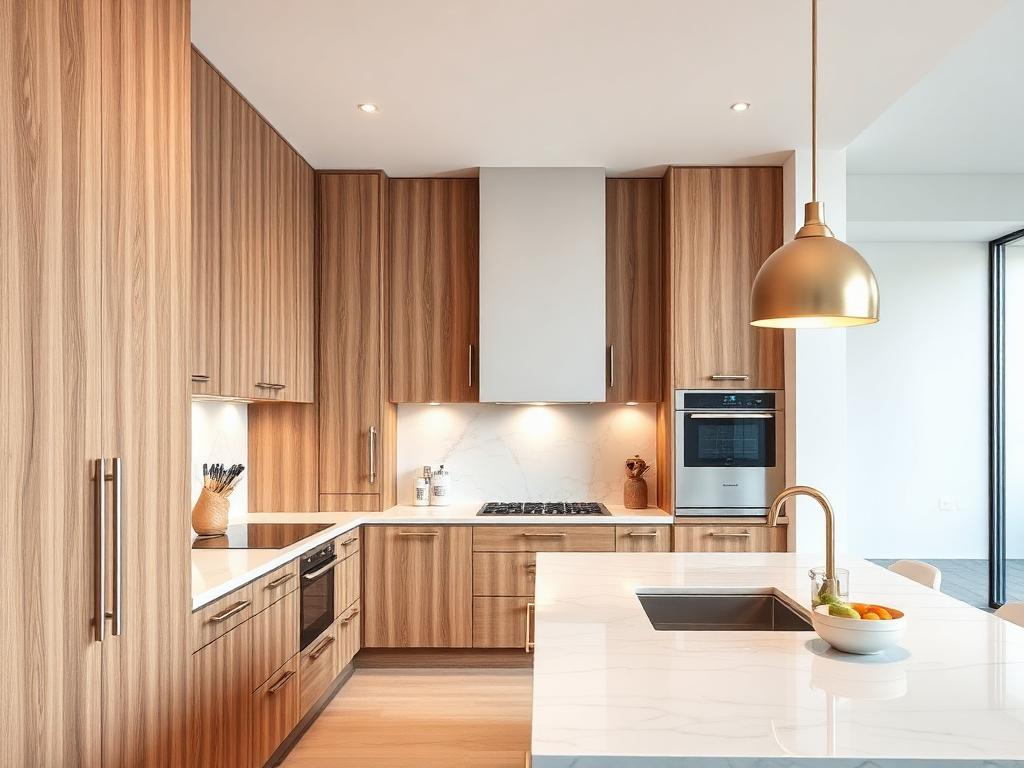
Design-build firms offer integrated services combining architecture, design, and construction under one roof. This streamlined approach has gained popularity among Los Angeles homeowners seeking efficiency, accountability, and coordinated project delivery.
Understanding the design-build model and how to evaluate these firms helps you make informed decisions for your Los Angeles home project.
Understanding the Design-Build Model
Traditional construction follows a design-bid-build process where architects, designers, and contractors work separately. Design-build integrates these services, creating a single point of responsibility for your entire project.
How Design-Build Works
The process typically follows these phases:
- Initial consultation: Discuss vision, budget, and timeline with integrated team
- Design development: Architects and designers create plans considering construction realities
- Budget alignment: Real-time cost feedback during design phase
- Permitting: Firm handles all approvals and submissions
- Construction: Same team that designed the project builds it
- Completion: Single source warranty and ongoing support
Benefits of the Design-Build Approach
The design-build model offers significant advantages over traditional project delivery methods.
Single Source of Accountability
With one contract and one team responsible for both design and construction:
- No finger-pointing between architect and contractor
- Clear chain of command for decisions
- Unified responsibility for project success
- Simplified warranty and post-project support
Streamlined Communication
Integrated teams eliminate communication barriers:
- Regular coordination between designers and builders
- Fewer misunderstandings and conflicts
- Faster problem resolution
- Single point of contact for homeowner questions
Time Efficiency
Design-build often saves time through:
- Overlapping design and preconstruction phases
- Early identification of potential construction issues
- Faster permit processing with builder-friendly designs
- Reduced change orders from buildability issues
- Coordinated material ordering and scheduling
Cost Control
Better budget management results from:
- Real-time cost feedback during design phase
- Value engineering opportunities throughout
- Reduced change orders from design-construction conflicts
- Competitive bidding within established firm relationships
- Transparent pricing with fewer surprises
Design-Construction Collaboration
When designers and builders collaborate from the start:
- Designs are inherently more buildable
- Construction team provides practical input during design
- Innovative solutions emerge from cross-discipline collaboration
- Material selections consider both aesthetics and practicality
Evaluating Design-Build Firms
Selecting the right design-build firm requires assessing both design capabilities and construction expertise.
Design Portfolio Assessment
Review their design work for:
- Aesthetic diversity: Can they execute various design styles?
- Creative solutions: Do they show innovative problem-solving?
- Functional design: Are spaces both beautiful and livable?
- Detail quality: Does the design show attention to small elements?
- Material knowledge: Do they specify appropriate, quality materials?
Construction Capabilities
Evaluate their building expertise:
- Quality of finished projects you can visit or tour
- Range of construction techniques and complexity
- Reputation among suppliers and subcontractors
- Track record for completing projects on time and budget
- Problem-solving during construction challenges
Project Management Systems
Strong design-build firms utilize:
- Project management software for tracking and communication
- Clear scheduling and milestone planning
- Regular client updates and progress meetings
- Quality control checkpoints throughout construction
- Documented change order and decision-making processes
Team Structure and Credentials
Verify the firm’s team includes:
- Licensed architects or designers on staff
- Licensed contractors with strong credentials
- Experienced project managers
- Skilled trade professionals or vetted subcontractors
- Support staff for administration and coordination
Key Questions to Ask Design-Build Firms
During your evaluation process, ask:
About Their Approach
- How do you integrate design and construction teams?
- Who will be my primary point of contact?
- How do you handle design changes during construction?
- What is your typical project timeline from design to completion?
- How do you manage budgets during the design phase?
About Their Experience
- Can I tour projects similar to what I’m planning?
- Can I speak with recent clients about their experience?
- What is your experience with projects in my neighborhood?
- Have you worked with my type of project before?
- How do you handle challenging site conditions?
About Project Specifics
- What is included in your design-build fee?
- How do you handle selections and material choices?
- What level of design detail do you provide?
- How do you protect my property during construction?
- What warranties do you offer on your work?
Potential Drawbacks to Consider
While design-build offers many advantages, be aware of potential considerations:
- Limited design competition: You’re not comparing multiple architectural proposals
- Style constraints: Some firms specialize in specific design aesthetics
- Cost verification: Without competitive bidding, verify pricing is fair
- Team compatibility: You must be comfortable with the integrated team
When Design-Build Works Best
Design-build is particularly effective for:
- Projects with aggressive timelines
- Renovations requiring creative problem-solving
- Homeowners who value streamlined communication
- Projects where budget certainty is important
- Complex renovations requiring coordination across multiple trades
- Clients who prefer working with a single responsible party
Contract Considerations
Ensure your design-build contract includes:
- Detailed scope of design services
- Design phase deliverables and timelines
- Construction scope and specifications
- Payment terms for both design and construction phases
- Change order procedures
- Timeline and completion dates
- Warranty terms for design and construction
- Procedures for resolving disagreements
Red Flags in Design-Build Firms
Be cautious of firms that:
- Cannot provide examples of completed design-build projects
- Have weak design or construction capabilities (unbalanced strengths)
- Pressure you to commit before completing design
- Cannot explain their project management systems
- Provide vague or incomplete contracts
- Have poor communication during the proposal phase
Related Resources
Explore more guidance on selecting the right contractor and design-build partner for your project:
- Top Design-Build Firms in Los Angeles — Compare leading integrated design-build companies for 2026
- 10 Must-Know Tips for Choosing a Design-Build Bathroom Remodel — Expert advice on selecting the best bathroom remodeler
- How to Choose High-End Finish Contractors — Selection criteria for luxury renovation projects
- Finding a Reliable LA Contractor in 2025 — Updated tips for vetting contractors
- Trusted Remodeling Home Builders in LA — Vetted builders with proven track records
- Top BBB-Accredited Renovation Companies in LA — Find trusted, accredited contractors
Considering a design-build approach for your project? Our integrated team offers decades of combined experience in architecture, design, and construction. We’ll guide you through every phase of your project with clear communication, creative solutions, and unwavering commitment to quality. Contact us to discuss how design-build can benefit your Los Angeles home renovation.